british motorcycle tri-spark wiring | British Motorcycle Tri-Spark Wiring and Ignition Upgrade | British Motorcycle Tri-spark Wiring diagrams cover coil polarity, kill switch connections, and boyer or tri-spark ignition for BSA and Triumph twins.

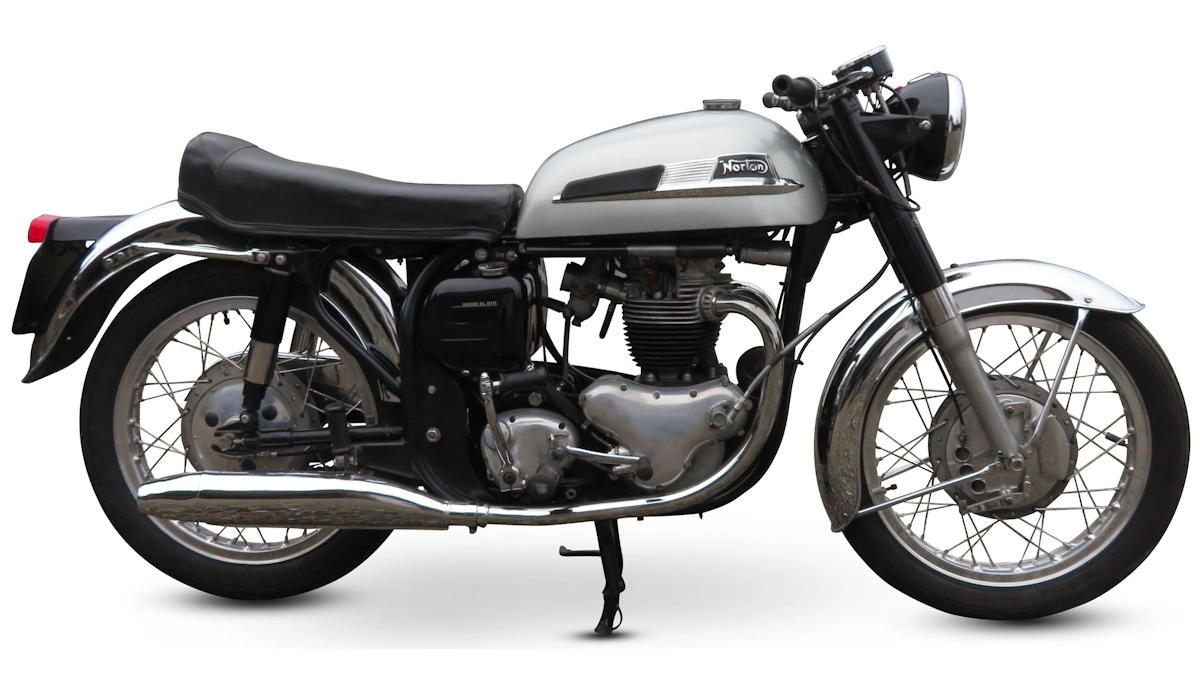
british motorcycle tri-spark wiring | British Motorcycle Tri-Spark Wiring and Ignition Upgrade | British Motorcycle Tri-spark Wiring diagrams cover coil polarity, kill switch connections, and boyer or tri-spark ignition for BSA and Triumph twins.
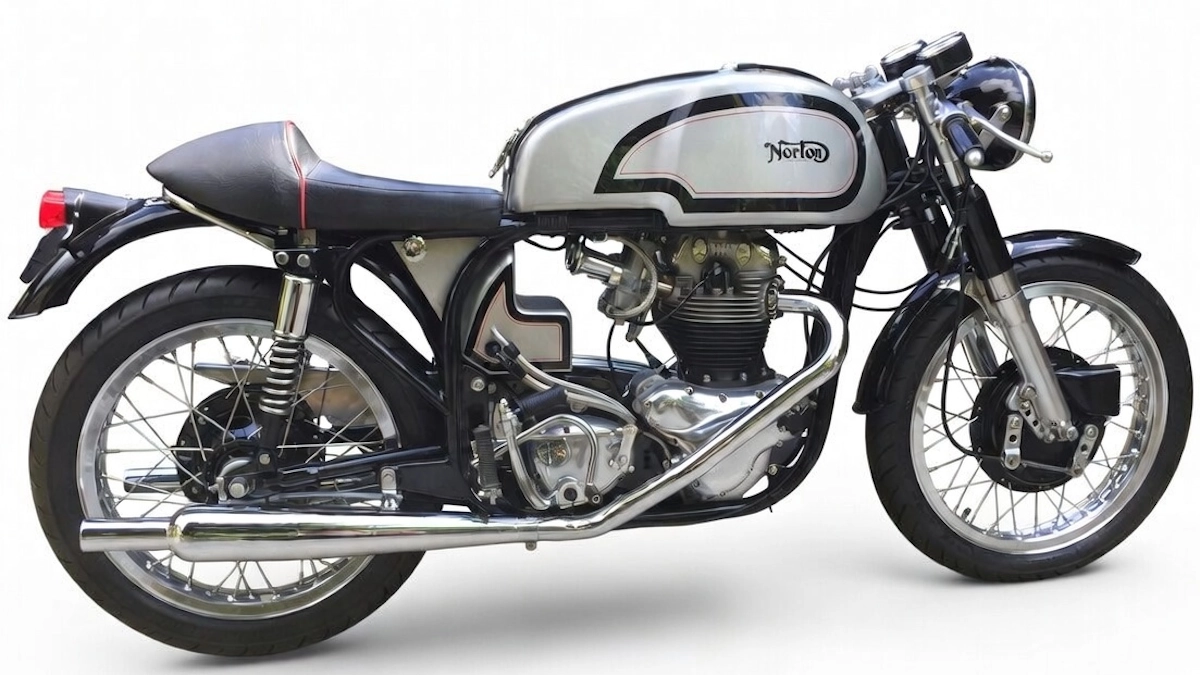
cafe racer wiring diagram | Cafe Racer Wiring Diagram for Battery-Free Brit Bikes | Cafe Racer Wiring Diagram wiring explained for a no-battery magneto setup, covering direct feeds to lights, horn, and handlebar kill switch.
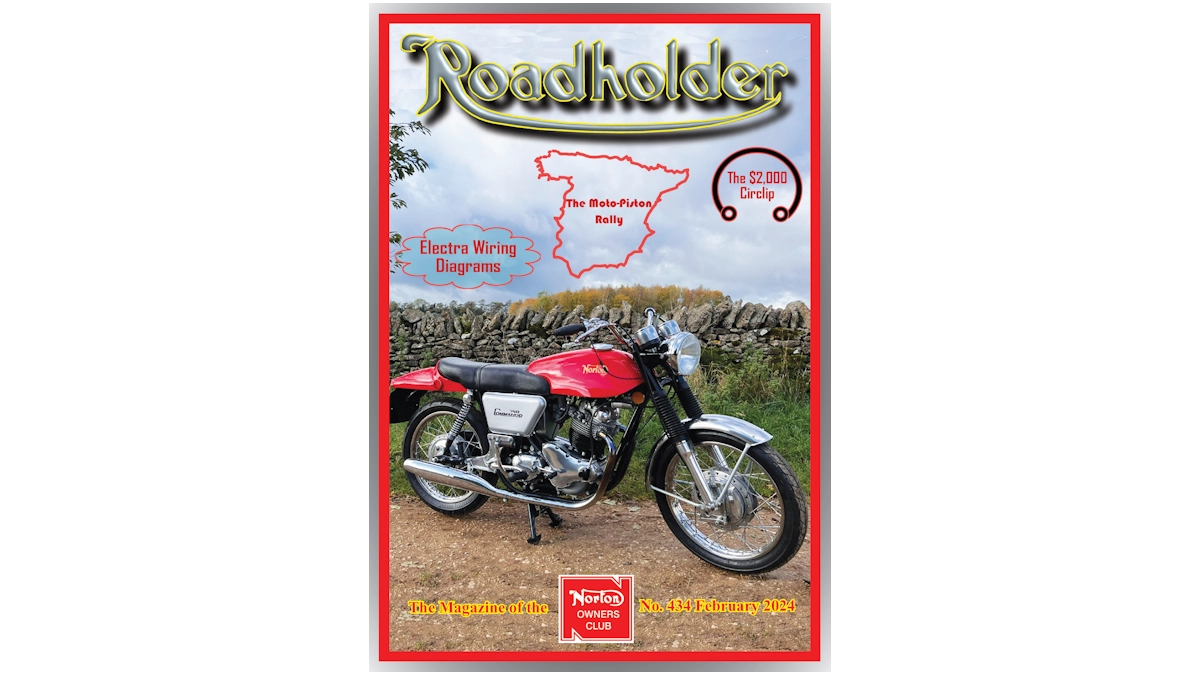
norton electra wiring diagram | Norton Electra Wiring Diagram ES400 Simplified Guide | Norton Electra Wiring Diagram schematics cover the positive earth WIPAC system, ignition circuit, lighting and common electrical faults on the 250 twin.
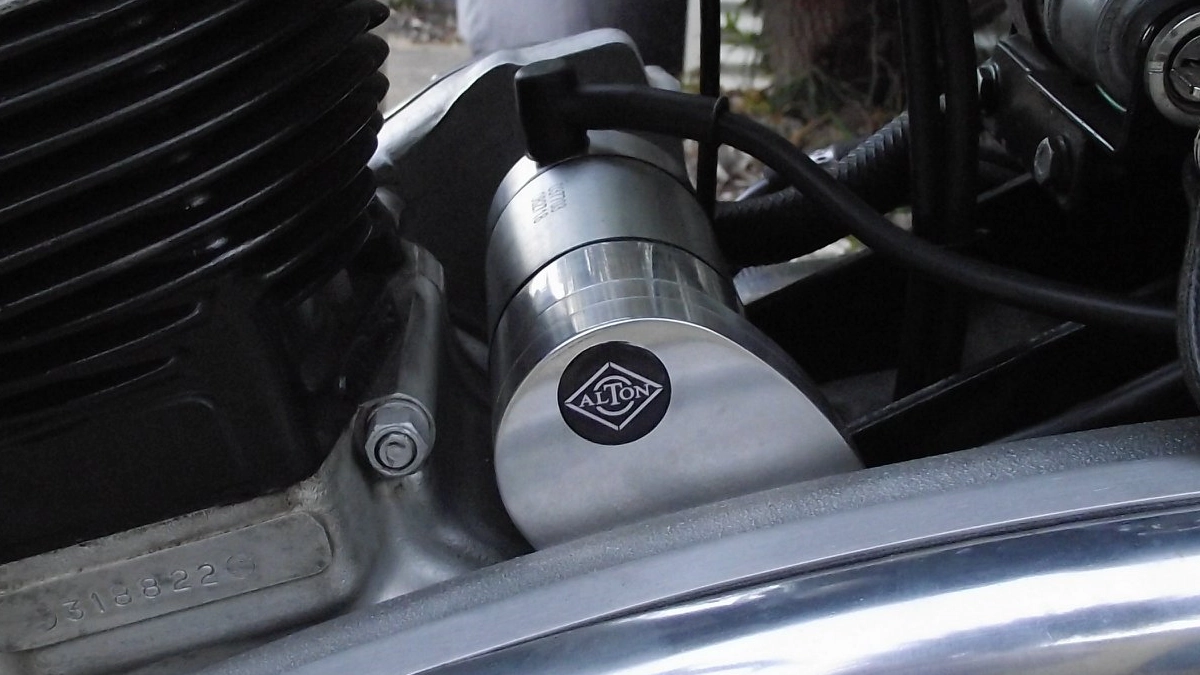
norton commando wiring diagram | Norton Commando Wiring Diagram with Alton Electric Start | Norton Commando Wiring Diagram with Alton Electric Start. 850 wiring diagram replaces the turn signal circuit, zener, and rectifier with a Boyer Power Box.

1974 commando wiring diagram | 1974 Commando Wiring Diagram: Simplified 1974 Custom | 1974 Commando Wiring Diagram covers a stripped Tri-Spark build, helping riders avoid earthing faults with a modern reg/rec and simplified loom.
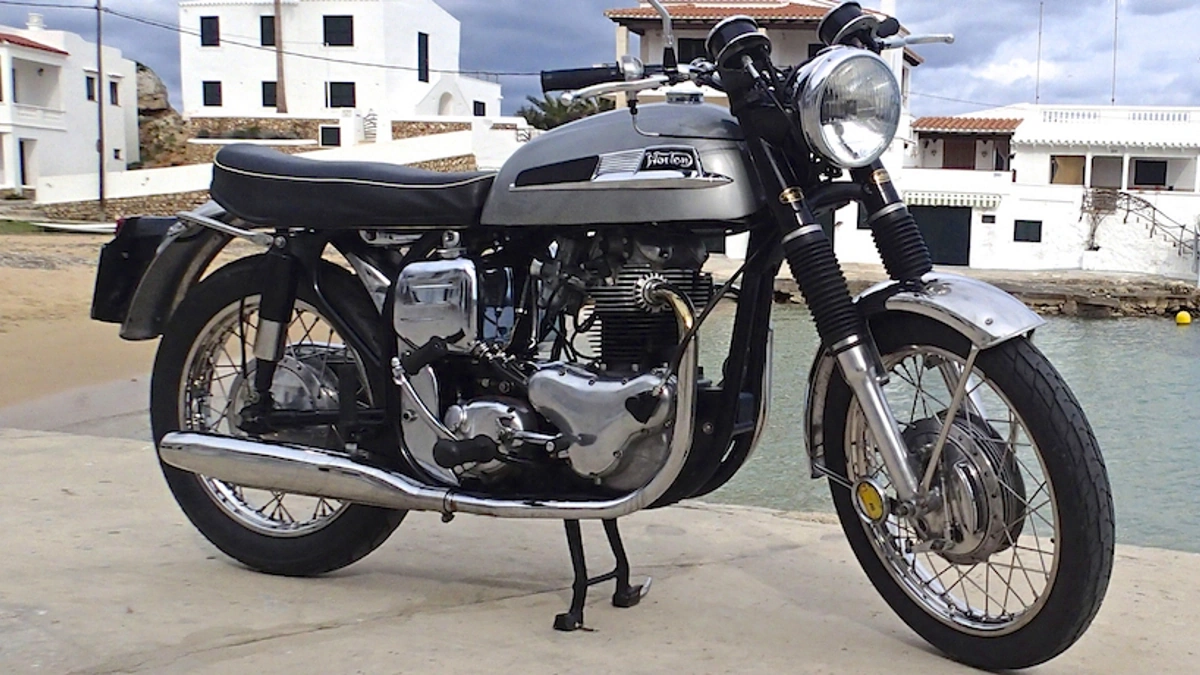
norton dominator wiring diagram | Norton Dominator Wiring Diagram for Magneto-Equipped Bikes | Norton Dominator Wiring Diagram covers three-phase alternator options, Shindengen SH775 reg/rec, and full lighting circuits for magneto-equipped bikes.
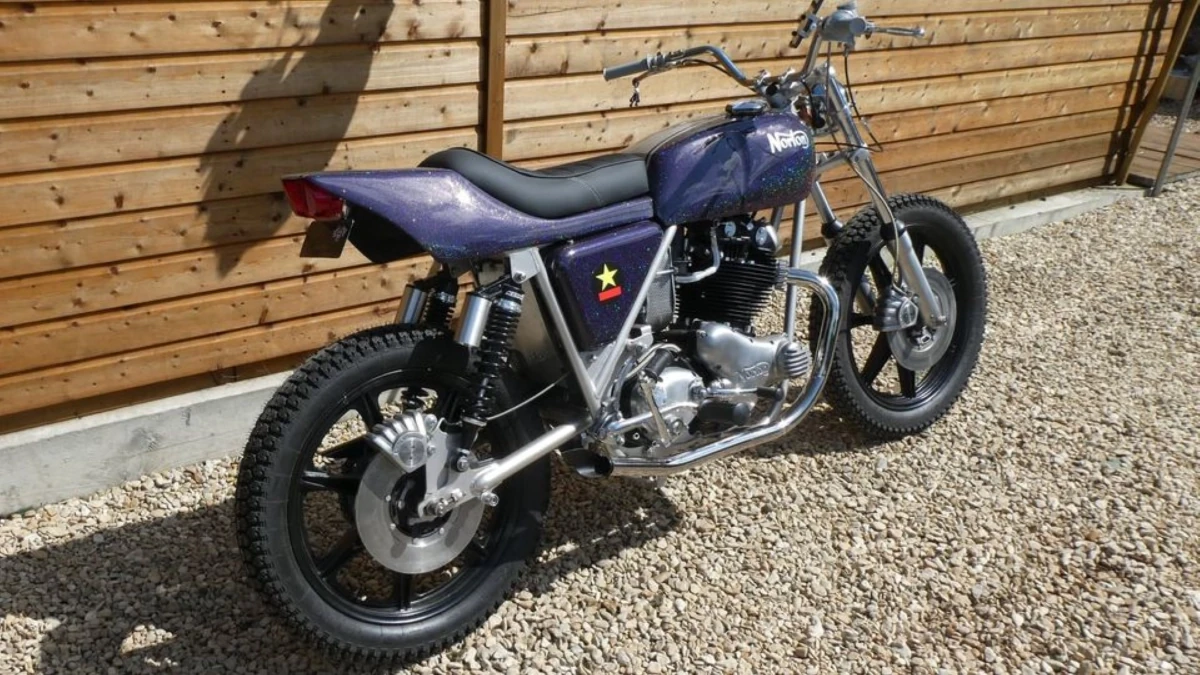
norton commando wiring diagram | Norton Commando Wiring Diagram for a 1972 Street Tracker | Norton Commando Wiring Diagram with the rectifier, zener diode and unused circuits removed for a cleaner, more reliable build.
norton commando wiring diagrams | Norton Commando Wiring Diagrams Simplified in Colour | Norton Commando Wiring Diagrams split by circuit make ignition, charging and lighting faults far easier to trace without reading the full loom.
I'm Grant Tiller, and this site is the result of decades spent around classic British motorcycles, most of it up to my elbows in Norton Commando wiring.
It started in the shed with my Dad. He was the one who lit the spark, and in many ways this site is a continuation of what we began there together. That passion turned into something more serious over time: I trained as an electro-mechanical engineer, moved into electronics and communications, and eventually settled in computing. I'm a member of both the IEEE (the Institute of Electrical and Electronics Engineers) and the IET (the Institute of Engineering and Technology). None of that makes me infallible. I still learn something new most weeks, and where the received wisdom in the classic bike world doesn't hold up under testing, I'll say so and show my working.
I don't sell anything here, I'm not sponsored, and I have no financial arrangement with any manufacturer or supplier. I've never made a cent from the hundreds of hours I've spent drawing diagrams, testing components on the bench, and helping restorers around the world get their bikes back on the road. When I recommend something, it's because I've used it, tested it, or watched it work with my own eyes.